Principles of Animation
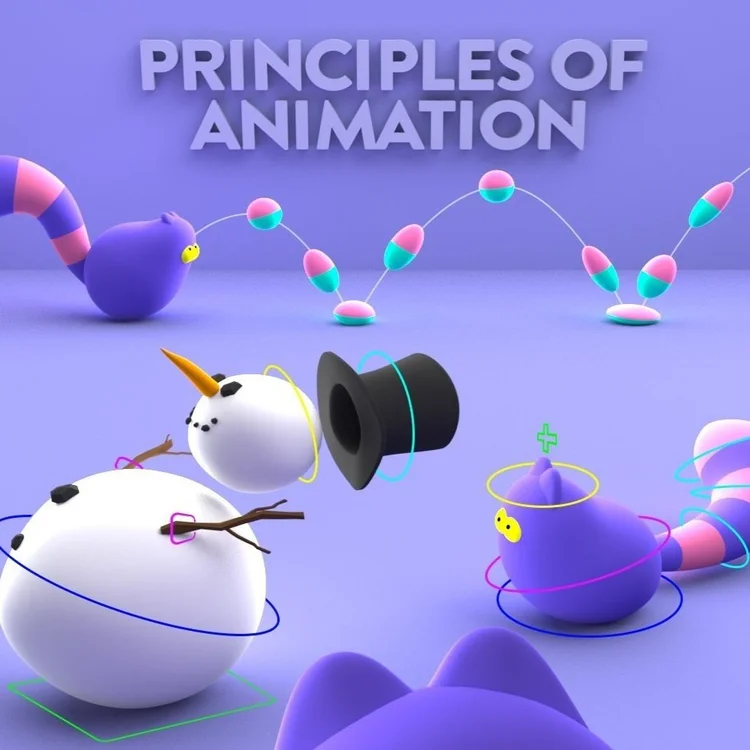
The principles that govern movement, and the Maya basics an animator needs. You start from simple rigs and finish on your first character.

One path in 3D, in Autodesk Maya, devoted entirely to animating the character.
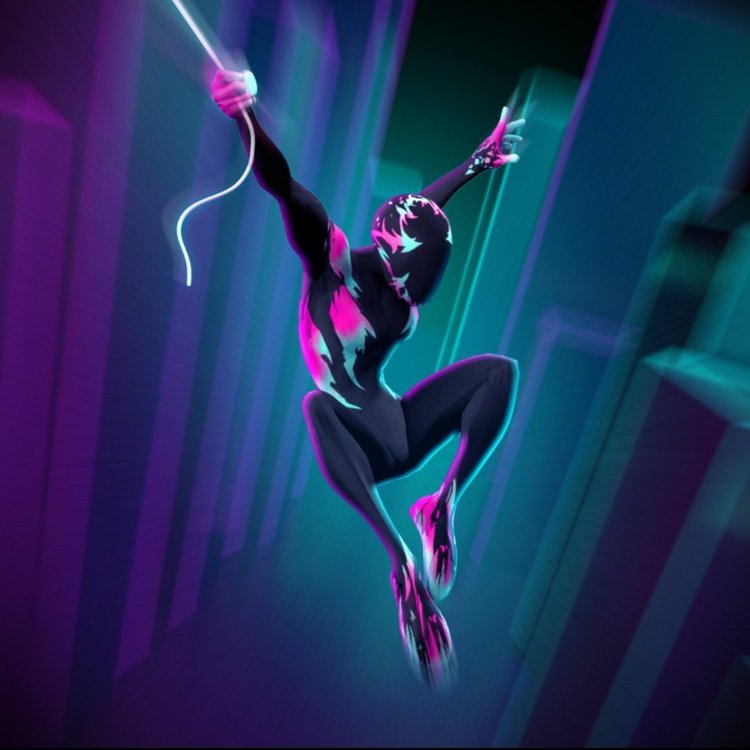
Animating a character means giving movement weight, personality, emotion and, above all, intention.
An animator works like an actor: every pose, gesture and expression has to say what the character is thinking, feeling and trying to get.
A general 3D course teaches you to build an image — modelling, texturing, lighting, rendering — and animation is one discipline among many. At Vivo it is the centre of the whole course, from the first pose to the final polish.
Eight progressive courses, each built on the one before: from the fundamentals of movement to acting, up to the Pro courses devoted to producing advanced shots. Select a step to see what it covers.
The principles that govern movement, and the Maya basics an animator needs. You start from simple rigs and finish on your first character.
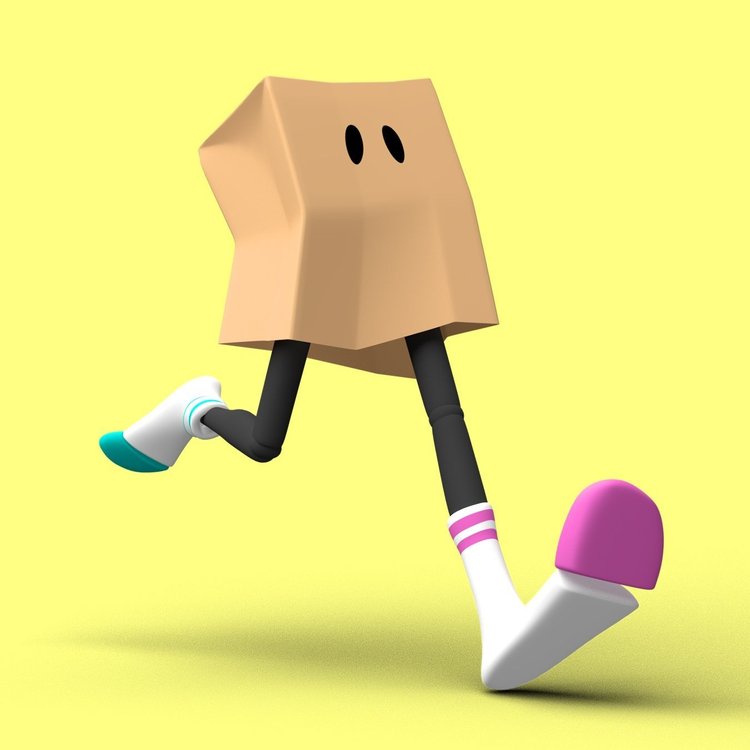
The body moving through space: walk, run, jump. The course ends on a character walk, where movement and personality work together.
The body doing something: throwing, lifting a weight, pushing. This is where weight, balance and dynamics matter.
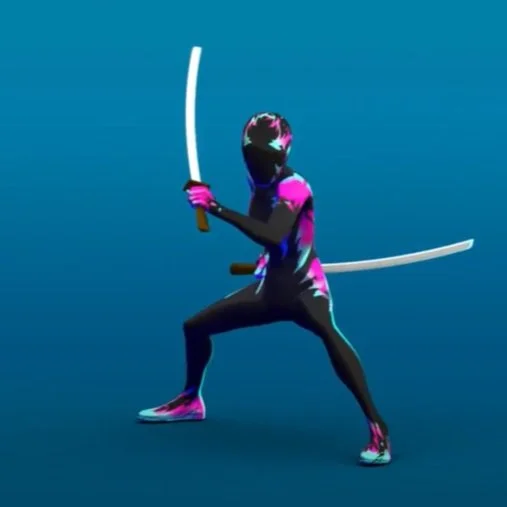
Acting without dialogue: posing, intention, timing. The rigs have a simple face, so the attention stays on the body.
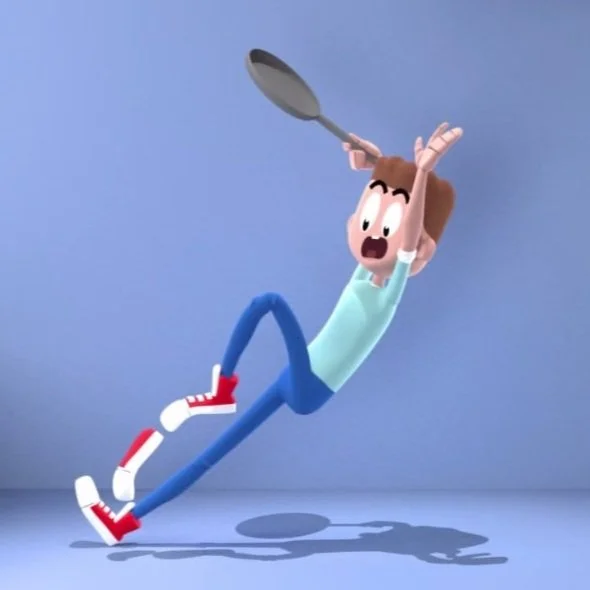
The face: facial posing, expressions, phonemes, lip sync, and moving from one emotion to another.
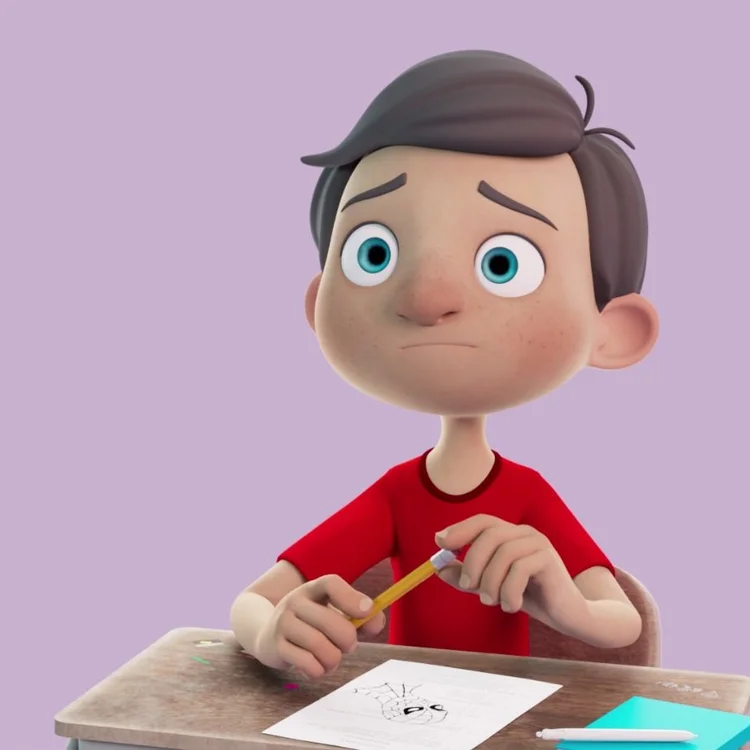
Body and face on a dialogue shot, from breaking down the audio to the final polish. It is the shot that closes the six main courses.
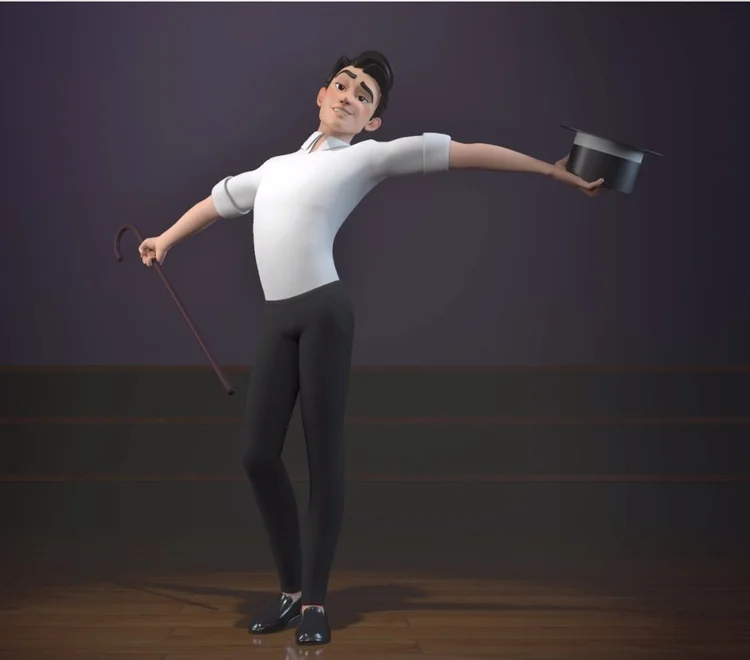
A production-only course: one action shot, supervised the way it would be in a studio, with a production workflow — planning, blocking, splining, polishing — and continuous reviews, aiming to bring the shot to showreel quality.
A production-only course: one acting shot, reviewed the way a shot is reviewed in production. The focus is on acting choices, on how clearly the intention reads, and on refining detail all the way to the final polish.
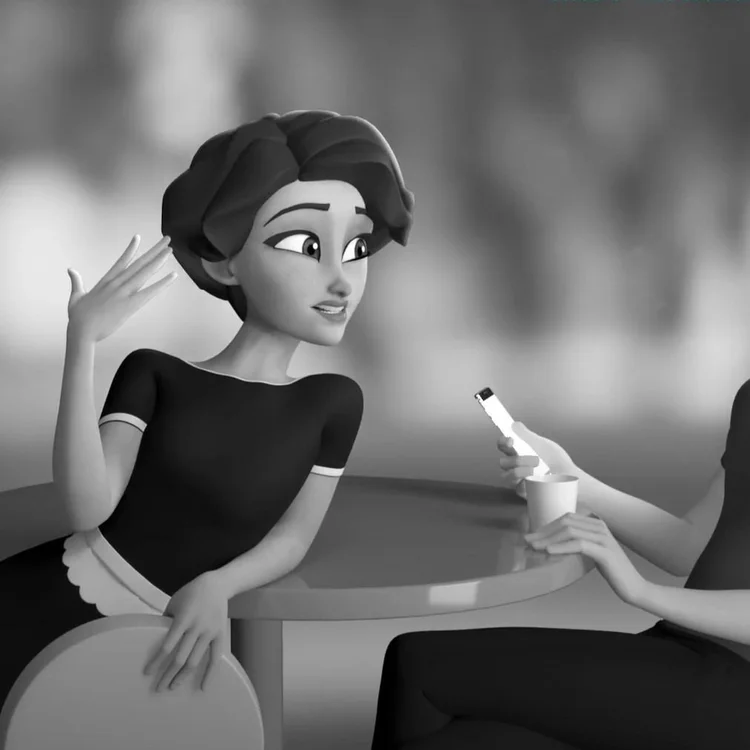
If you have never animated, you start from the first course. If you already have experience, send us your showreel: the teaching board looks at your level and tells you which course fits.
We do it before every enrolment, not only when you have doubts: it is free, it takes about 30 minutes, and you speak with one of Vivo's founders.
Book a callJanuary, April, July, October.
The same course can run as more than one class in parallel, on different days: the date of your first lesson depends on which class you join, and we tell you before it starts.